
Mosquitoes

PEST CONTROL INFO
Mosquito Control for Healthier Spaces
Mosquitoes are more than a biting nuisance. They are disease vectors that can affect homes, businesses, outdoor spaces, gardens, drains, and water-holding areas when breeding sources are not controlled.
At Skill Termite, we provide mosquito control services that focus on inspection, breeding-site reduction, targeted treatment, and practical prevention advice to help keep your surroundings safer and more comfortable.
DengueRisk reduction
WaterBreeding-site checks
SafeHome & business service

What Are Mosquitoes?
Tiny Insects with Serious Health Impact
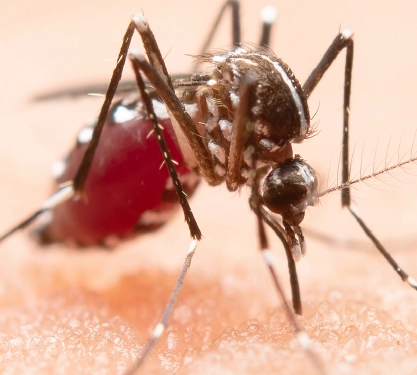
Mosquitoes are insects from the order Diptera, commonly known as true flies. Both male and female mosquitoes feed on nectar or plant juices, but females of most species require a blood meal to produce fertile eggs.
They are usually most active at night, dusk, and dawn, although some mosquitoes may also bite during the day when disturbed. Adult mosquitoes are usually less than 16 mm long, with scaled bodies and legs.
Common Mosquito Features
01
Grey to dark body colours, sometimes marked with white, silver, brown, green, or blue scales.
02
Males have feathery antennae and mouthparts that are not suitable for piercing skin.
03
Females can bite humans and animals, transmitting pathogens through saliva during feeding.
Mosquito-Borne Diseases
Mosquitoes Can Spread Multiple Serious Illnesses
Mosquito control matters because mosquitoes can carry and transmit disease-causing pathogens. Reducing mosquito populations and removing stagnant water sources help protect people and the surrounding environment.
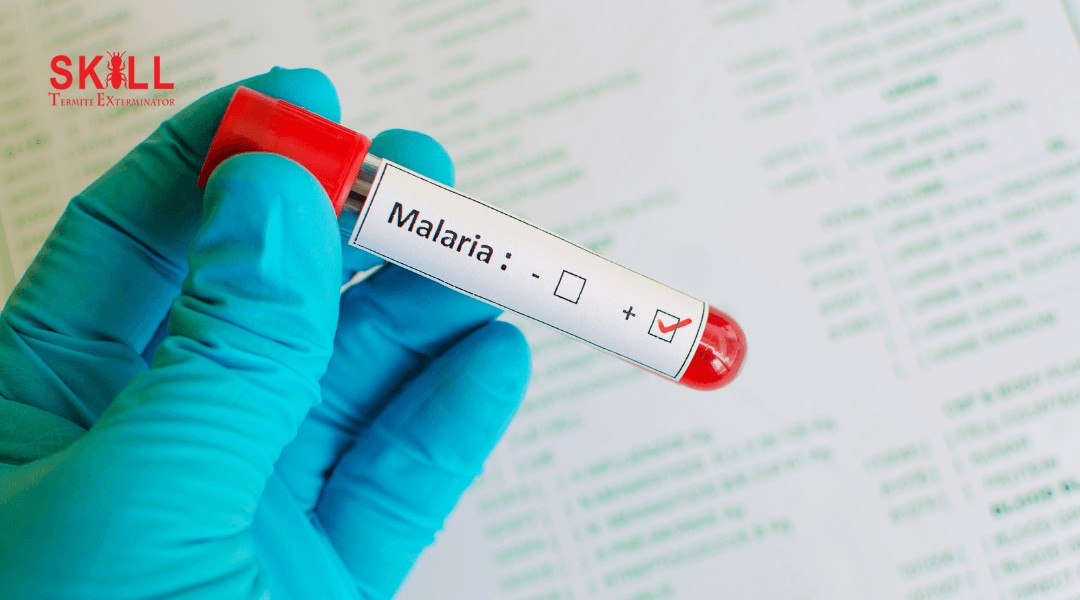
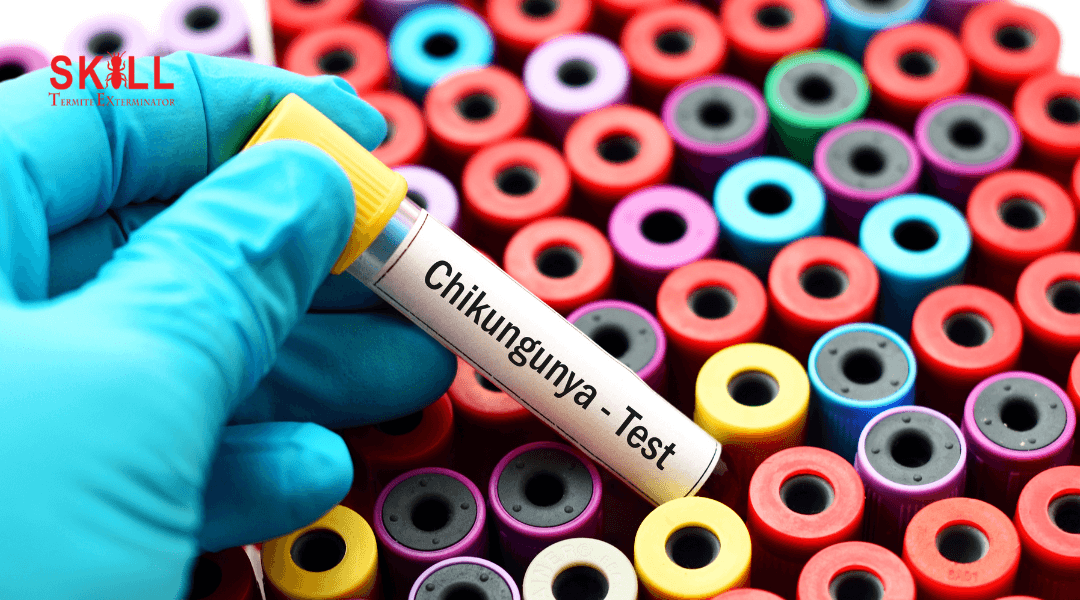
Dengue Fever Malaria Chikungunya Filariasis Encephalitis Zika Virus Yellow Fever
.jpg)
Life Cycle
Mosquitoes Develop Through Four Main Stages
Mosquitoes undergo complete metamorphosis: egg, larva, pupa, and adult. In tropical conditions, this development process may take around 40 to 42 days depending on species and environment.
01
Egg
Eggs are laid in or near water depending on mosquito species and breeding conditions.
02
Larva
Larvae live in water and feed while developing through several growth stages.
03
Pupa
Pupae remain aquatic before emerging into adult mosquitoes.
04
Adult
Adult males may live up to a week, while females can live around one to two months.
Species Diversity
Different Mosquito Species Need Different Control Awareness
There are more than 3,000 mosquito species worldwide. Common species include Aedes, Anopheles, and Culex, each with different breeding behaviour and health concerns.
01
Aedes Species
Aedes mosquitoes are commonly linked to dengue, chikungunya, zika, and yellow fever concerns.
02
Anopheles Species
Anopheles mosquitoes are widely recognised for their role in malaria transmission.

03
Culex Species
Culex mosquitoes can breed in stagnant water and are associated with several disease risks.
Breeding Sites
Mosquitoes Breed Where Water Collects
Mosquitoes adapt to many aquatic environments. They usually avoid large open bodies of fast-moving water, but they can breed in smaller water collection points around properties.
Ponds & Marshes
Still water and vegetation can create suitable mosquito breeding conditions.
Drainage Ditches
Blocked or slow-moving drains may support mosquito larvae development.
Tree Holes
Natural water pockets can become unnoticed breeding spots.
Artificial Containers
Buckets, tires, flowerpots, roof gutters, and unused containers can collect stagnant water.
Our Mosquito Control Approach
Inspection, Treatment, and Practical Prevention
A reliable mosquito control plan must address both adult mosquitoes and breeding sites. We inspect the environment, identify risk areas, treat targeted zones, and advise on source reduction.
01
Survey
We inspect your property for standing water, shaded resting spots, drains, containers, and surrounding risk points.
02
Source Control
We identify breeding conditions and recommend removal, drainage, covering, or maintenance actions.
03
Treatment
We apply suitable mosquito control methods for affected areas while considering people, pets, and property use.
04
Follow-Up Advice
We guide you on regular checks and prevention steps that reduce future mosquito breeding.

Prevention Tips
Small Maintenance Habits Can Reduce Mosquito Activity
- Empty stagnant water: Check flowerpots, buckets, containers, roof gutters, drains, and outdoor items.
- Cover water storage: Keep tanks and water containers tightly covered.
- Clear clogged drains: Remove leaves, mud, and debris that slow water flow.
- Maintain outdoor areas: Trim overgrown plants and reduce shaded resting areas.
- Inspect regularly: Mosquito eggs and larvae can develop quickly in hidden water pockets.
- Get professional help: Targeted inspection and treatment help reduce active mosquito pressure.
Protect Your Property with Us
Don’t let pests ruin your home or business. Call us today to schedule an inspection and get a personalised treatment plan. With our help, your property stays safe and pest-free.
Contact Us Today25 Aug 2026


