
Termite Control


PEST CONTROL INFO
Termite Control Services: Protect Your Property Today
Termites threaten homes and businesses by steadily consuming wood and other cellulose-based materials. Skill Termite provides professional termite control services designed to protect properties from these persistent and destructive pests. Understanding termite behaviour, recognising the signs of an infestation, and arranging professional treatment early can help prevent extensive structural damage and costly repairs.
Termite Info
What Are Termites?
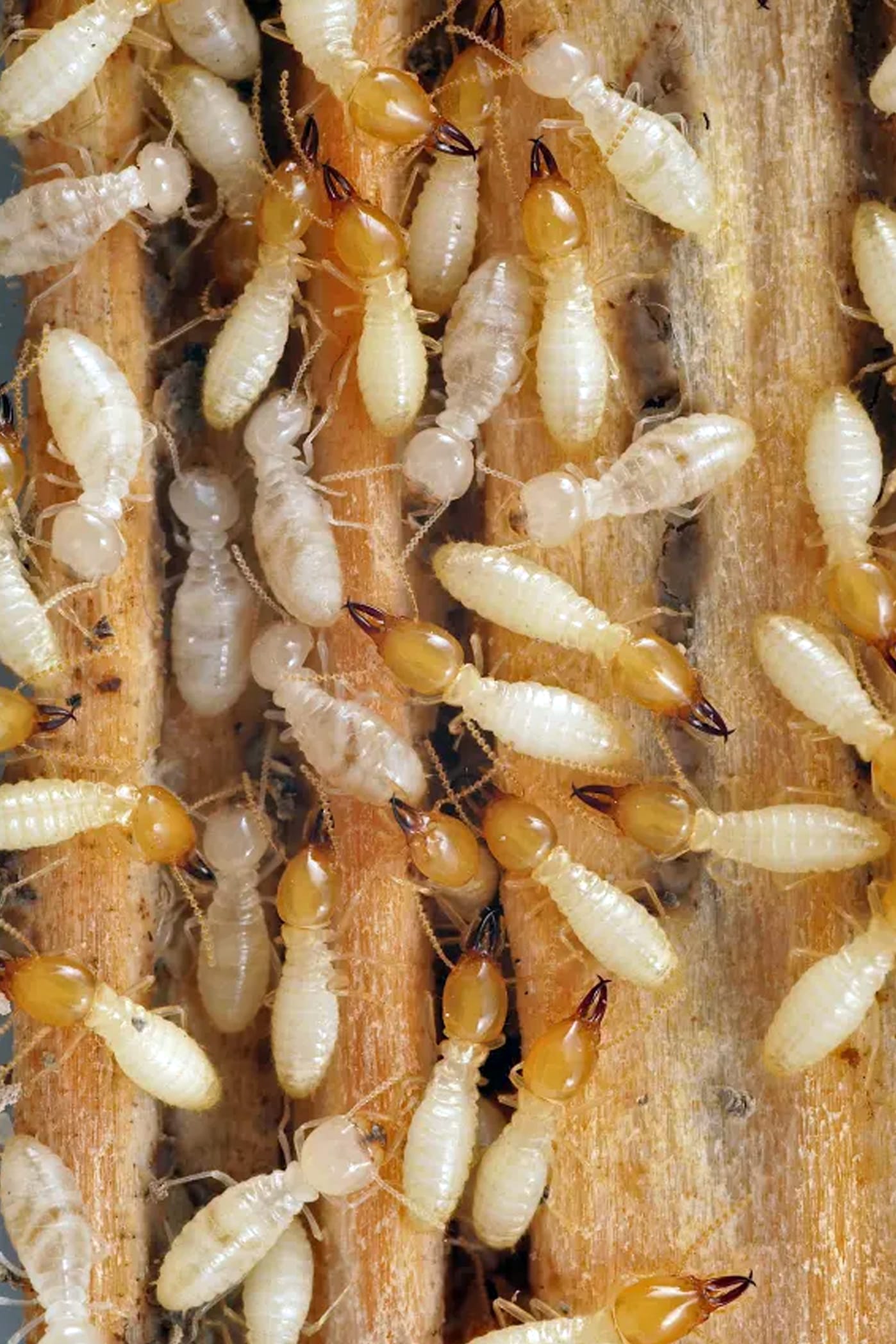
Termites are small, wood-eating insects that thrive in warm and humid environments. They feed on cellulose, a natural component found in wood, paper, and other organic materials. Termites live in organised colonies that may contain thousands of individuals, with a caste system consisting of kings, queens, workers, soldiers, and reproductive termites.
Termites contribute to natural ecosystems by breaking down dead wood. However, they become a serious problem when they enter homes, commercial buildings, and other properties. Termites may gain access through cracks, structural gaps, or direct wood-to-soil contact before silently consuming wooden and cellulose-based building materials.
Because termite damage usually develops out of sight, an infestation may remain unnoticed for a long period. Early detection and professional termite control are therefore essential for protecting a property from structural deterioration.
Colony Castes
Types of Termites Within a Colony
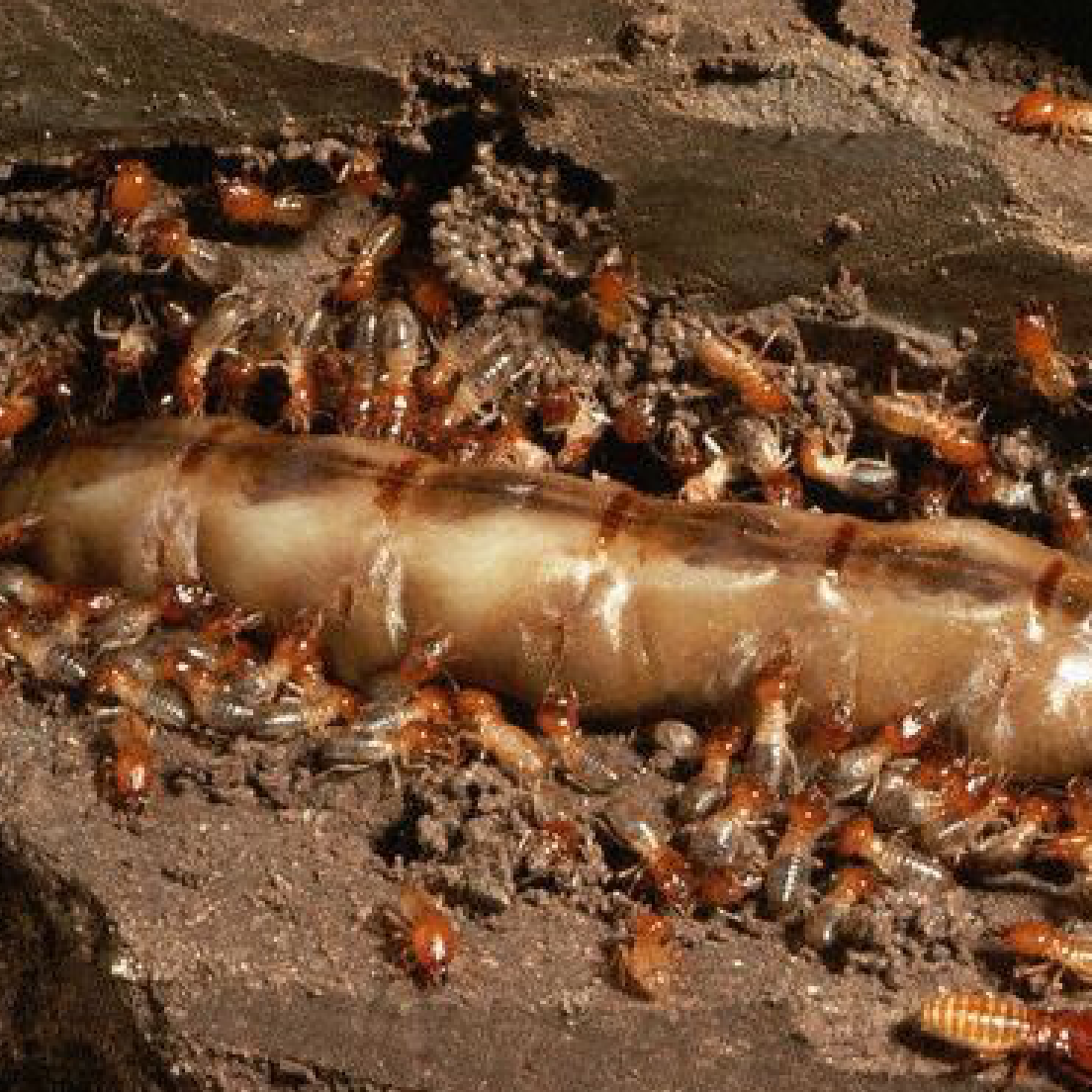
King and Queen
Every termite colony has at least one king and queen at its centre. The queen is responsible for reproduction and may live for as long as 30 years. Under suitable conditions, a termite queen may produce up to 3,000 eggs per day.
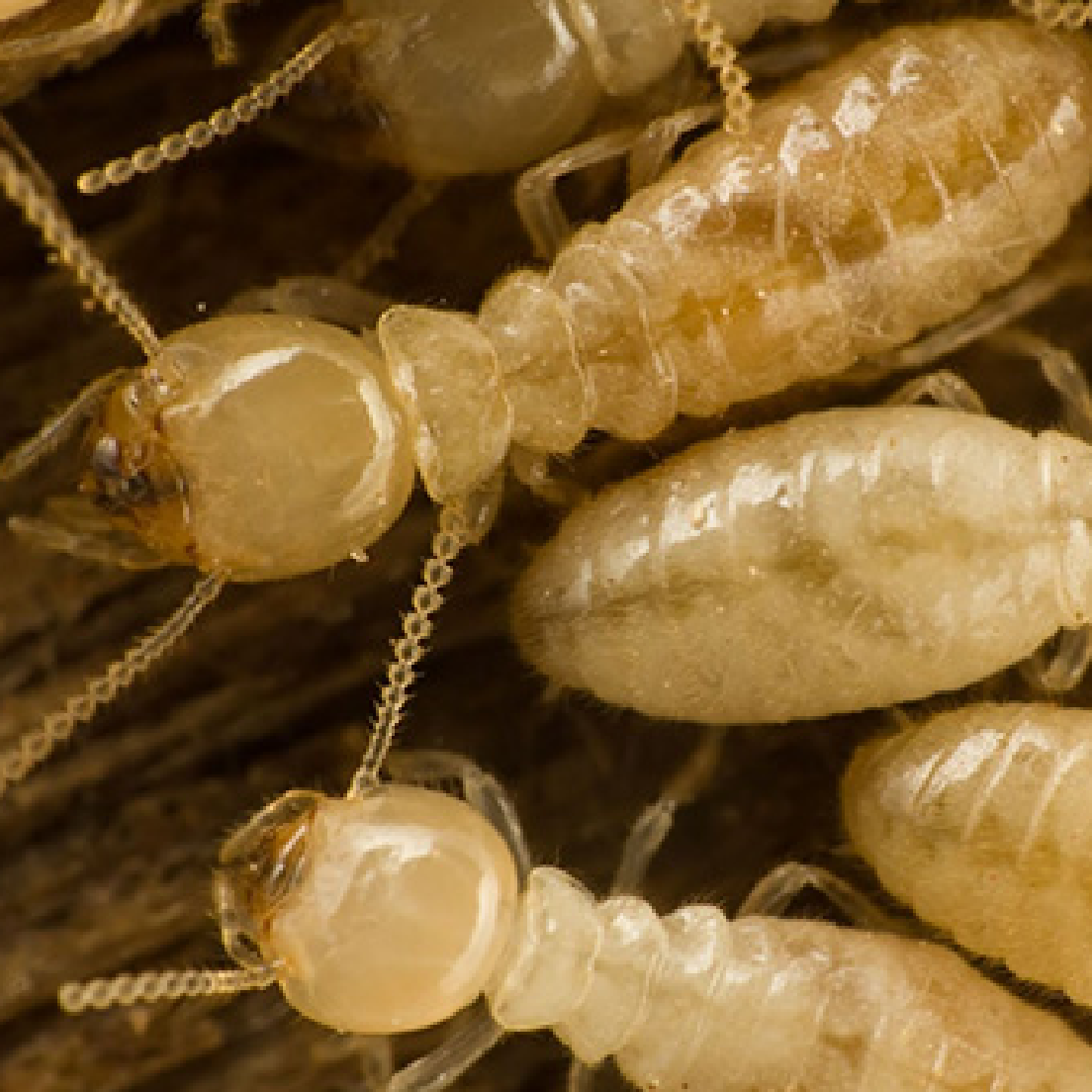
Workers
Worker termites are blind and wingless. They maintain the colony by building and repairing the nest and earthen shelter tubes, searching for food, and caring for the other members of the colony.
Workers are the most numerous termite caste and are the termites most commonly discovered inside infested wood.
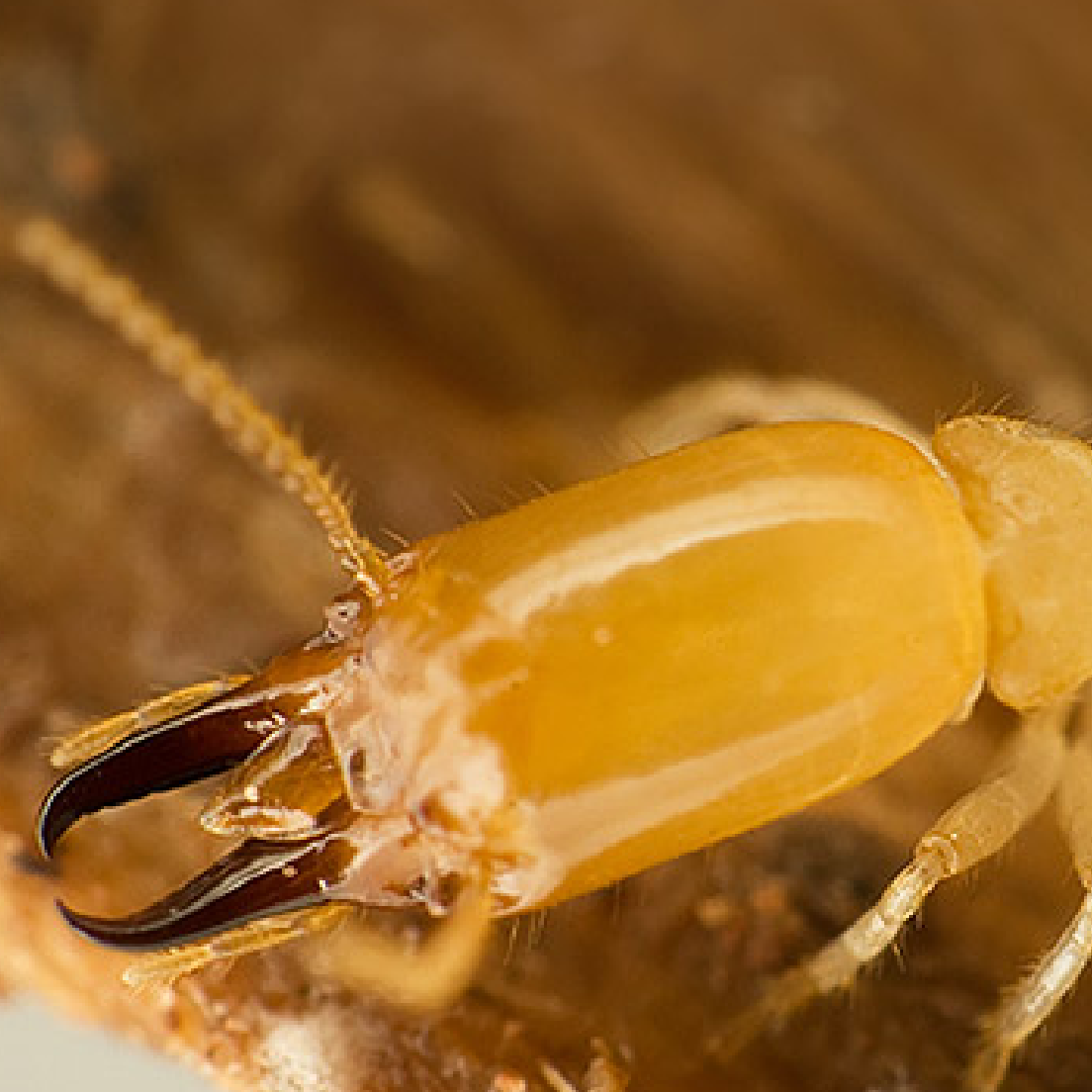
Soldiers
Soldier termites defend the colony from predators such as ants. They are equipped with large jaws, known as mandibles, which are used to protect the colony from attack.
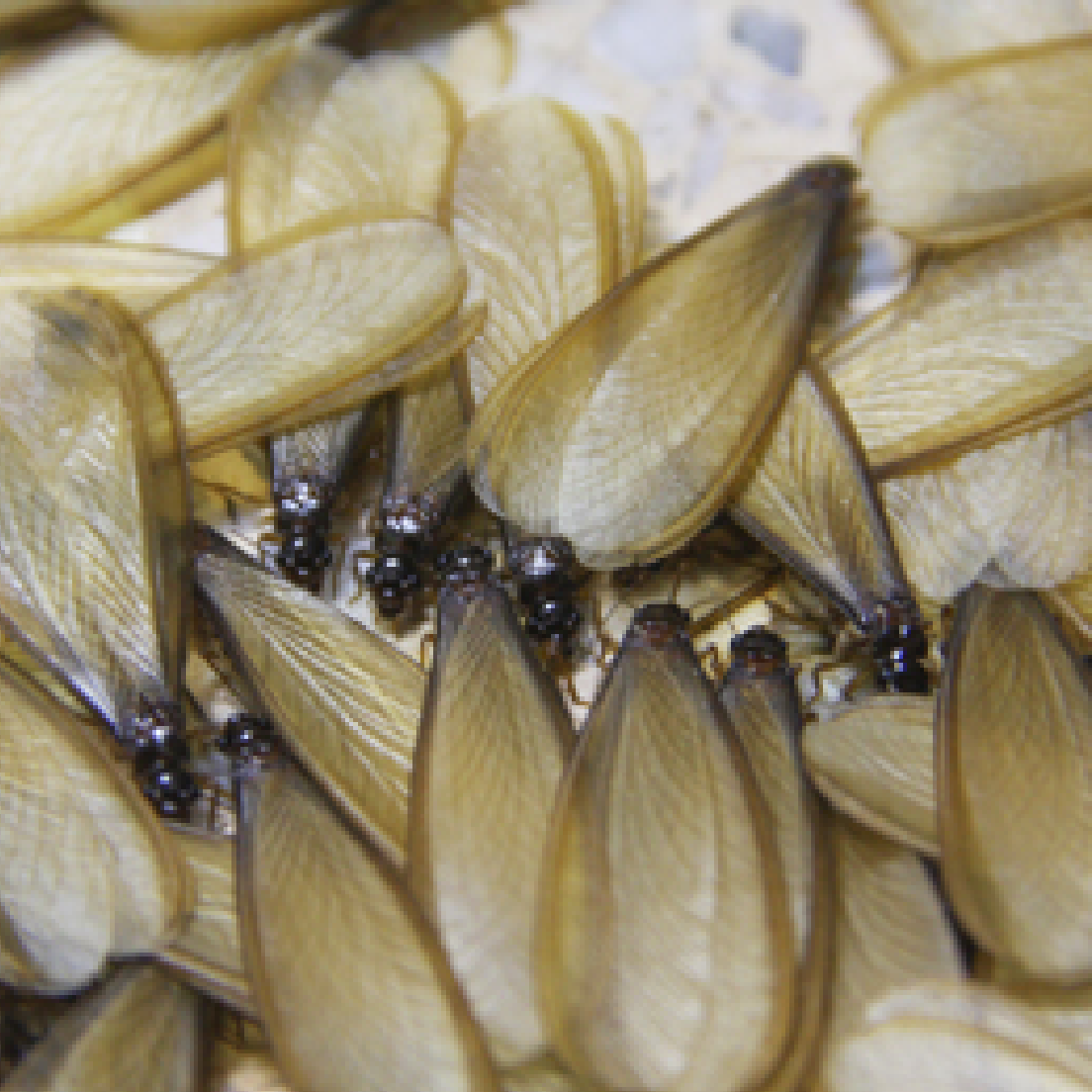
Winged Reproductives
Winged reproductive termites eventually leave the colony as adult swarmers. Male and female swarmers shed their wings and mate after locating a suitable environment in which to establish a new colony.
Winged termites are often mistaken for flying ants because of their similar appearance.
Species
Common Termite Species
Subterranean Termites
Subterranean termites live and travel underground. They reach food sources by constructing mud tubes that protect them from exposure while moving between the colony and wooden materials.
These termites are among the most destructive termite species and can cause extensive structural damage when an infestation is not treated promptly.
Drywood Termites
Drywood termites infest dry and untreated wood without requiring direct contact with soil. They may attack furniture, timber beams, doors, and other wooden materials, gradually leaving the affected wood hollow and brittle.
Dampwood Termites
Dampwood termites usually establish their nests in moist, decaying, or water-damaged wood. They are commonly associated with areas that have excessive moisture or high humidity.
Formosan Termites
Formosan termites are known for causing rapid destruction. They form large colonies and can consume wooden materials quickly and continuously, making them a serious threat to affected properties.
Property Damage
How Termites Invade and Damage Properties
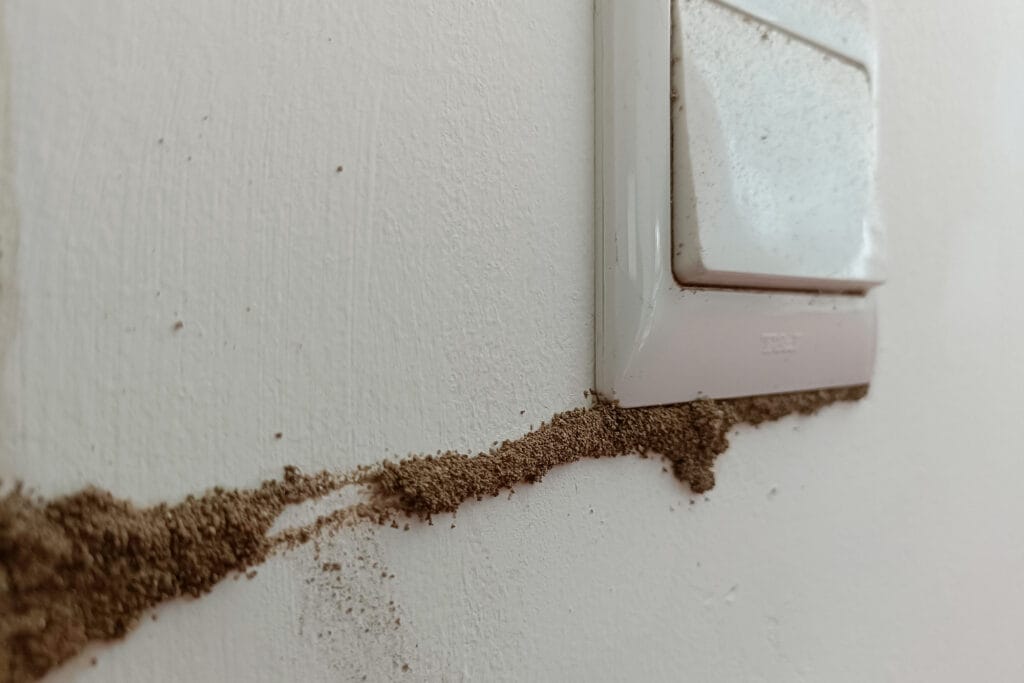
Termites can enter a property through cracks, gaps, foundation openings, or direct wood-to-soil contact. Once inside, they multiply and begin consuming wooden structural elements and other cellulose-based materials.
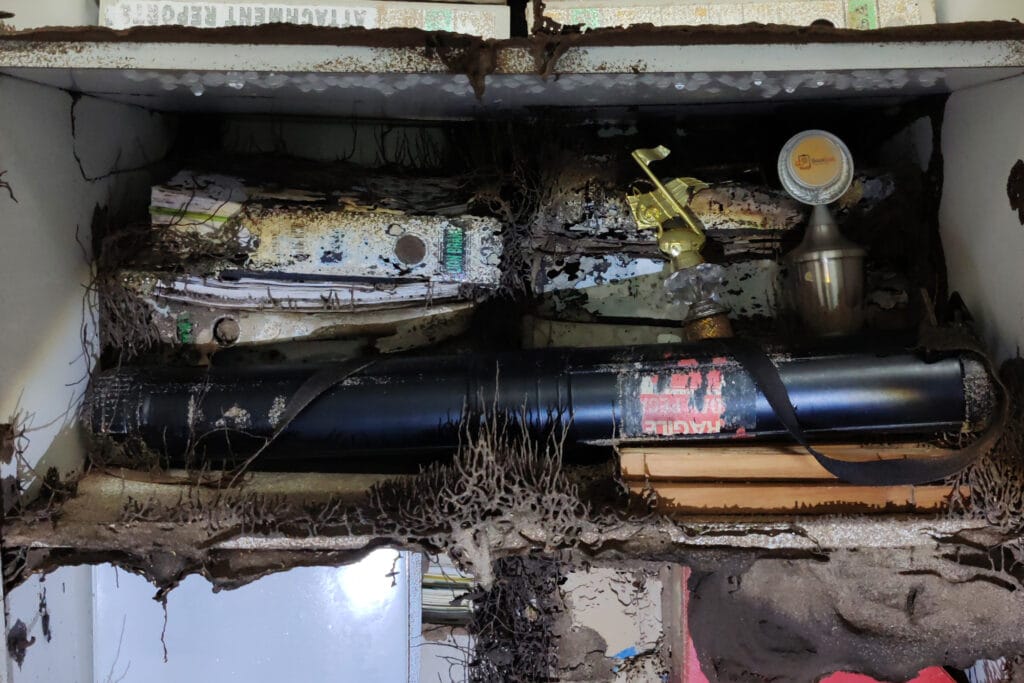
Continued termite activity gradually weakens the affected property and may compromise its structural safety.
- Common termite entry points include openings in foundations and walls.
- Wooden materials that are touching soil.
- Moist areas such as basements and crawlspaces.
Warning Signs
Signs of a Termite Infestation
Mud Tubes
Termites construct narrow mud tunnels along walls, foundations, and other surfaces to travel safely while staying protected.
Damaged Wood
Termites consume wood from the inside out, leaving hollow spaces beneath the surface.
Discarded Wings
Swarming termites shed their wings near doors, windows, and light sources after finding a nest site.
Frass
Drywood termites produce small sand-like droppings (frass) near infested timber areas.
Property Protection
Why Termite Control Is Crucial
Professional termite control protects properties from the significant damage these pests can cause. Termites quietly weaken buildings by feeding on wood, flooring, and other cellulose-based materials.
Without proper control, a termite colony can continue to grow and spread, resulting in expensive repairs and potential safety risks. Acting early can help prevent severe damage and preserve the condition and value of a property.
Termites may weaken foundations and structural components, making affected buildings unsafe. Repairing termite damage can also be expensive and time-consuming.
Early detection reduces the risk of a small infestation developing into a major structural problem. Professional termite control solutions provide longer-lasting protection, while treating an infestation promptly can also reduce the possibility of termites spreading to neighbouring properties.
Our Process
How Skill Termite Provides Termite Control Services
Skill Termite follows a comprehensive termite control process designed to remove termites and protect affected properties. Its experienced pest control professionals carry out each stage through careful planning, suitable treatment selection, and proper execution.
Steps Involved in Termite Control
Inspection
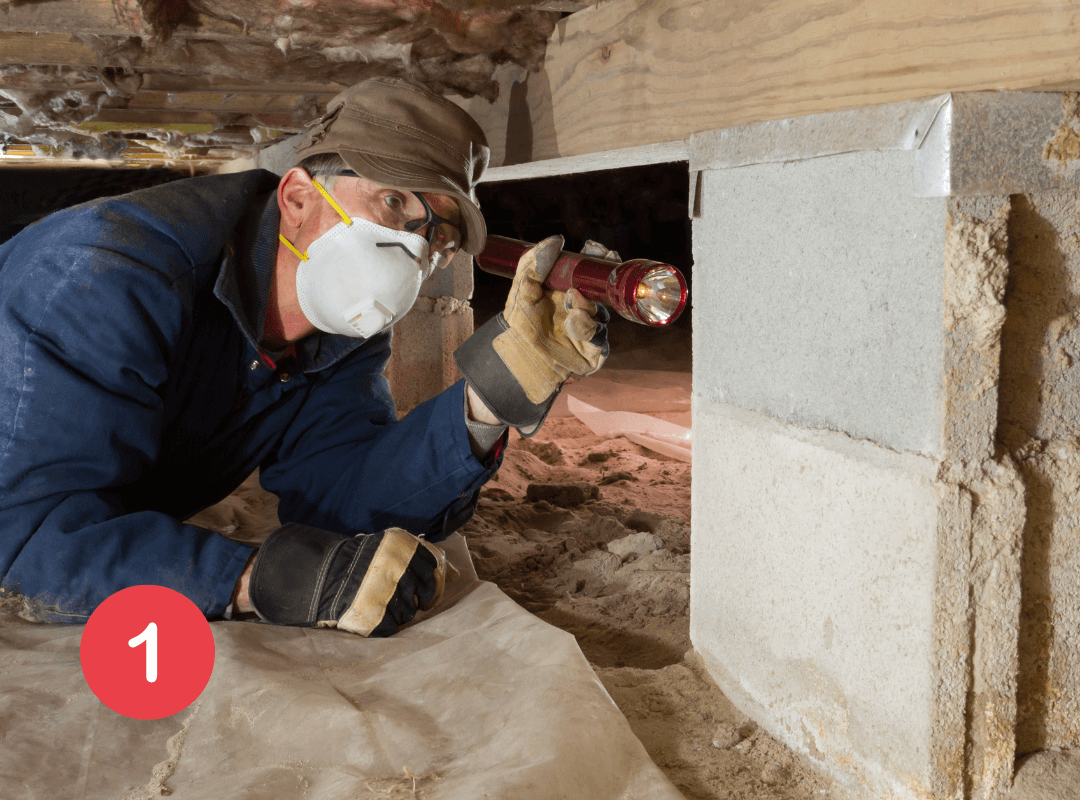
Skill Termite’s technicians examine the property to locate termite activity, assess existing damage, and identify possible entry points.
Customised Treatment Plan
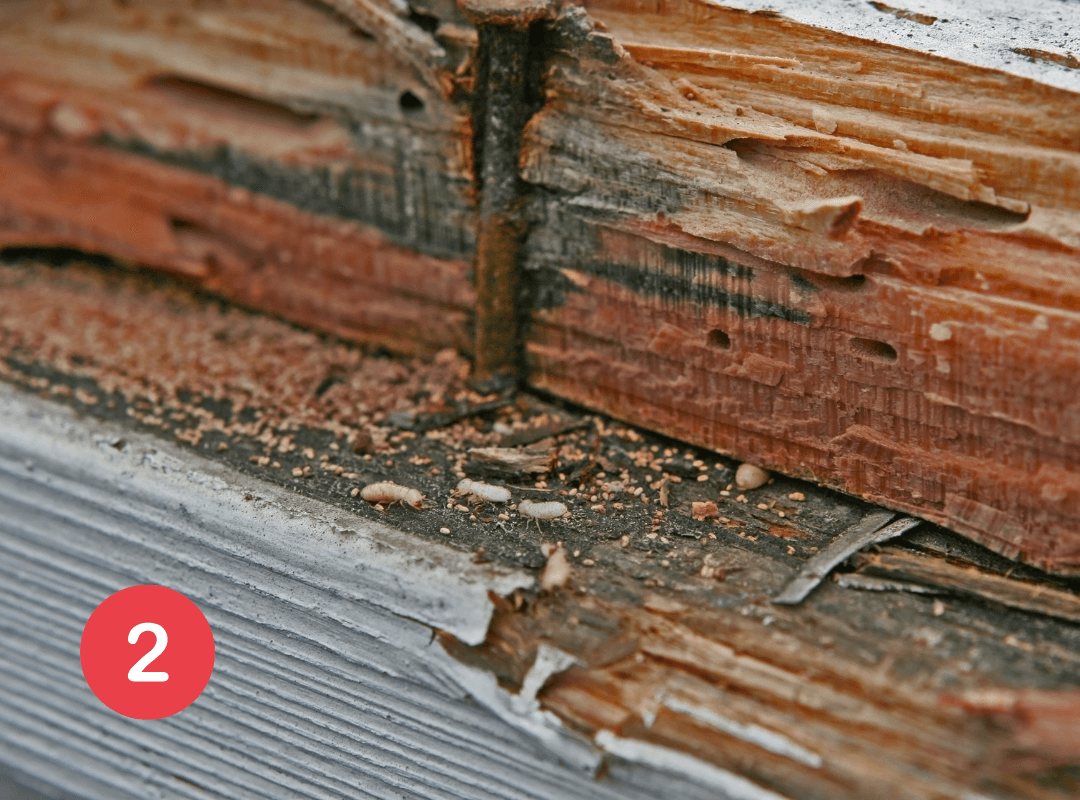
A specific treatment plan is prepared according to the size of the infestation, species, and property condition.
Treatment Execution
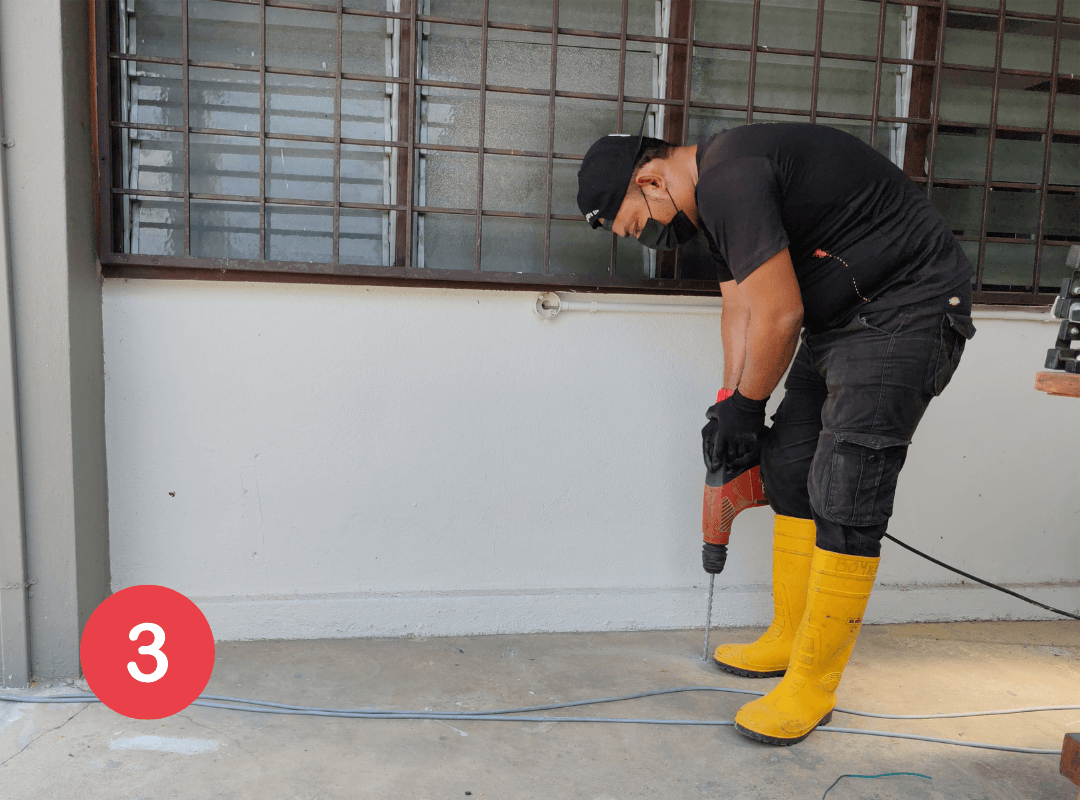
The team applies targeted treatments using baiting systems or chemical barriers to eliminate active colonies.
Monitoring & Follow-Up
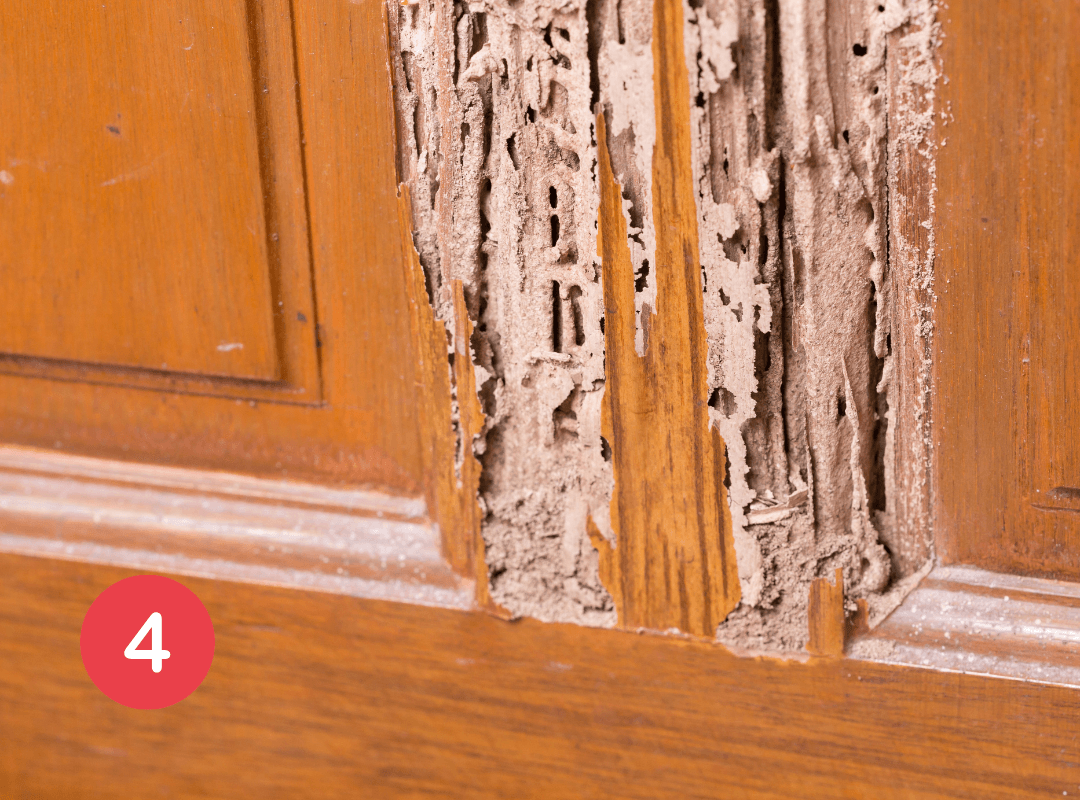
After treatment, Skill Termite conducts regular inspections to confirm termite activity has ceased.
Prevention
Tips to Prevent Termite Infestations
Property owners can take several simple steps to reduce the likelihood of termites entering and damaging their properties.
- Moisture problems should be corrected by repairing leaking pipes, roofs, or plumbing systems and ensuring that the property has suitable drainage. Keeping the surrounding environment dry makes it less attractive to termites.
- Cracks and gaps in walls, floors, foundations, and other structural areas should be sealed to reduce possible termite entry points.
- Firewood, wooden debris, and untreated timber should be stored away from the building instead of being placed directly beside walls or foundations.
- Chemically treated or pressure-treated wood should be considered for construction, renovation, and repair work because it offers greater resistance to termite activity.
- Regular professional termite inspections are also recommended. Routine inspections can identify termite activity at an early stage and reduce the risk of extensive structural damage.
Quotation
Cost of Termite Treatment
The cost of termite treatment varies depending on the size of the property, severity of the infestation, and type of treatment required.
Larger properties generally require more treatment materials, manpower, and time to cover effectively.
The infestation level also affects the price. A widespread or severe termite infestation may require more intensive treatment than a small and localised problem.
The treatment method is another important factor. Advanced termite control solutions, including baiting systems and chemical barriers, may involve a higher initial cost but can provide longer-term property protection.
Skill Termite provides fair pricing and clear quotations based on the specific needs of each property. Customers can contact the company to discuss the termite problem and obtain a tailored treatment estimate.
Why Choose Us
Why Choose Skill Termite?
Experienced Professionals
Skill Termite’s experienced technicians understand termite behaviour and know how to identify, control, and remove termite infestations effectively.
Customised Solutions
Every property and termite problem is different. Skill Termite develops a treatment plan according to the unique conditions and requirements of the affected property.
Safe Methods
The company uses suitable termite control products and application methods that consider the safety of families, occupants, and the surrounding environment while eliminating termites.
Continuous Support
Skill Termite provides follow-up services after treatment to monitor the property and reduce the possibility of termites returning.
Protect Your Property with Us
Don’t let pests ruin your home or business. Call us today to schedule an inspection and get a personalised treatment plan. With our help, your property stays safe and pest-free.
Contact Us Today14 Jul 2026


